The Pros and Cons of ETF Investing for Beginners
ETFs are the "easy button" of investing—low cost, instant diversification, buy and forget. But easy isn't the same as optimal. Here's what 35 years taught me about when ETFs work and when you're better off owning the stocks yourself.
How to Actually Value Bitcoin (When Everyone Else Is Guessing)
I spent 35 years valuing stocks with fundamentals. No cash flow, no dividends, no CEO—Bitcoin breaks all the rules. So I did the homework anyway. Part 1 of 4.
The Pros and Cons of ETF Investing for Beginners — Straight Talk
ETFs: a pooled portfolio you trade all day like a stock. One share = broad exposure, basis-point fees. Diversify for real—check the index; overlap isn’t protection. REITs differ: judge payouts with AFFO, not EPS. Total return beats headline yield.
Market Cap: Fast Guide for New Investors
Market cap frames the bet. Cash flow funds it.
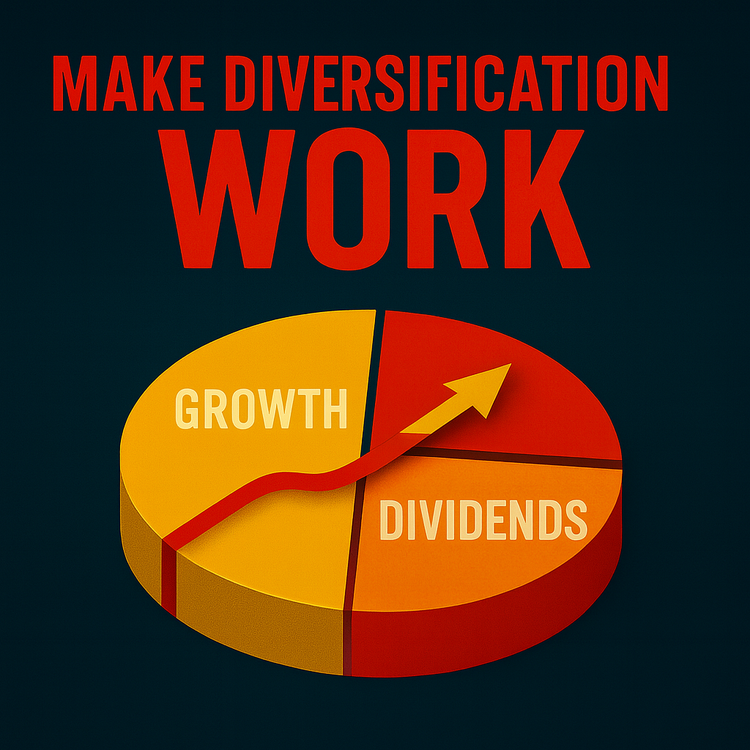
How Diversification Plays Out in Real Markets
Diversification isn’t theory — it’s survival. From the tech crash to 2008 to COVID, real markets prove why spreading your bets keeps you in the game.
What is Dollar Cost Averaging?
Forget timing the market. Dollar cost averaging turns investing into a routine — steady, disciplined, and built to outlast your emotions.
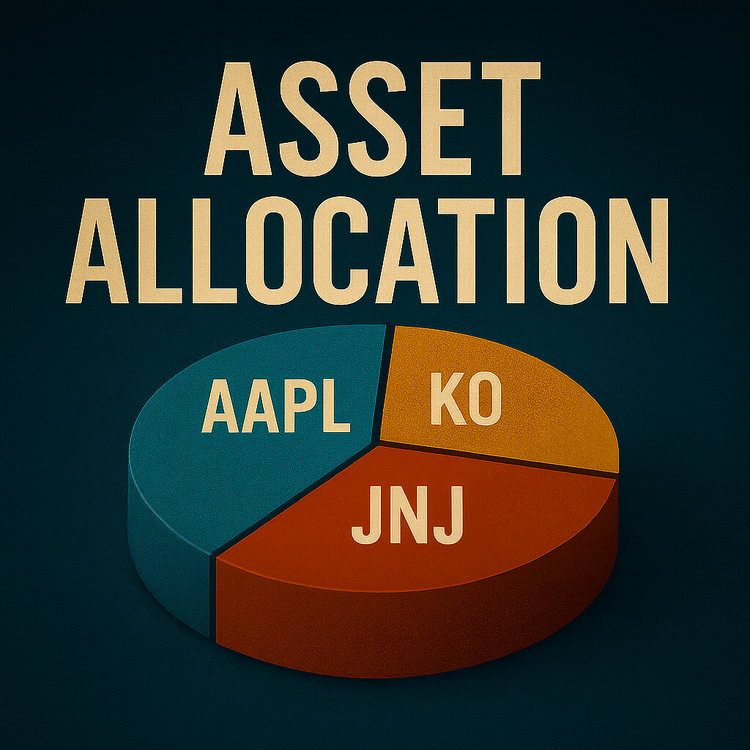
What is Asset Allocation?
Asset allocation isn’t just stocks vs bonds. It’s the skeleton of your portfolio — built on time, goals, and risk tolerance. Get it wrong, and nothing else works.
What is Risk Tolerance?
Risk tolerance isn’t a quiz score. It’s your breaking point — the point where volatility forces you to sell or proves you can hold. Here’s how to find it.
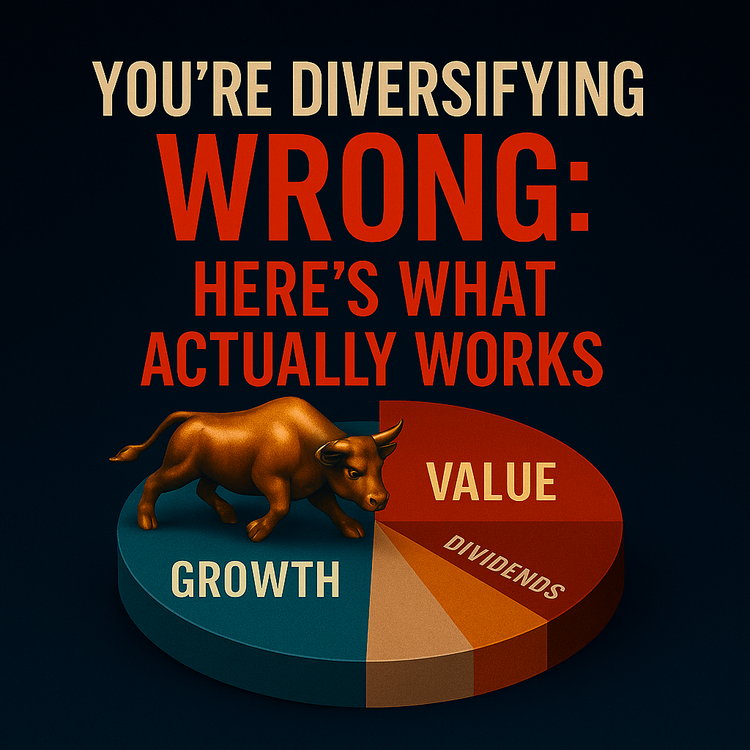
You’re Diversifying Wrong: Here’s What Actually Works
Most investors think they’re diversified. They’re not. Owning a dozen tech stocks or “a little of everything” isn’t balance — here’s what actually works.
2025 Venture Capital: How to Start Investing (Tip)
A practical tip for starting in venture capital in 2025—accredited rules, deal flow, and how to avoid hype.