The Pros and Cons of ETF Investing for Beginners
ETFs are the "easy button" of investing—low cost, instant diversification, buy and forget. But easy isn't the same as optimal. Here's what 35 years taught me about when ETFs work and when you're better off owning the stocks yourself.
Hope Is Not an Exit Strategy
My son asked me the question most investors can't answer: "What's your system for getting out?" I had entry criteria I could recite in my sleep. But when do I sell? I realized I'd never written it down.
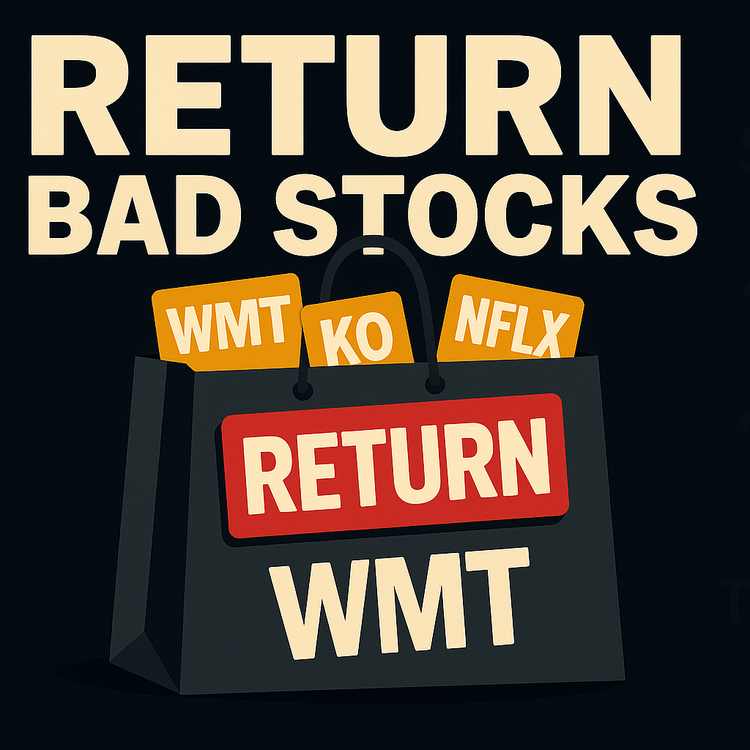
Boxing Day for Your Portfolio
Boxing Day isn’t just for returning bad gifts—use it to return bad positions. Go line by line through your portfolio and ask: “If this were cash today, would I buy it right now?” If the answer’s no, it’s clutter, not an investment.
Down 40% Still Isn’t “Cheap”
A stock that’s down 40% isn’t automatically a bargain. It’s just lower. Here’s how to tell if you’re buying a real business on sale—or just catching a broken story on its way to the basement.
Investing Tip: If You Can’t Say It in One Line, You Don’t Have a Thesis
Most investors don’t have a thesis—they have a story and a ticker. I force every idea into one plain-English sentence I can test a year later. If I can’t, I don’t buy. You don’t need more ideas. You need fewer, clearer ones.
The Pros and Cons of ETF Investing for Beginners — Straight Talk
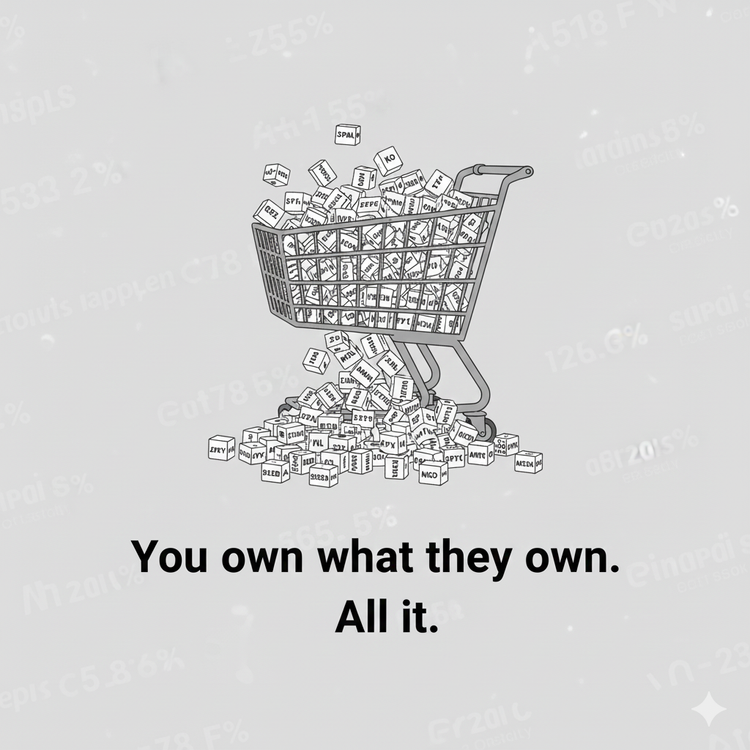
ETFs: a pooled portfolio you trade all day like a stock. One share = broad exposure, basis-point fees. Diversify for real—check the index; overlap isn’t protection. REITs differ: judge payouts with AFFO, not EPS. Total return beats headline yield.
Market Cap: Fast Guide for New Investors
Market cap frames the bet. Cash flow funds it.
Understanding the Risks and Rewards of Growth Stocks for DIY Investors
Growth stocks create millionaires and wipe them out just as fast. The difference isn't luck- it's discipline. Learn how to spot real growth, avoid hype, and survive the volatility that kills most DIY investors before they ever see the payoff.
How to Create a Buy-and-Hold Strategy That Actually Fits Your Goals
Buy-and-hold isn’t “buy and forget.” It’s a discipline tied to your goals—quality companies, sustainable dividends, and total return that compounds quietly over time.
The Smart Way to Start Investing: Low-Cost Index Funds
Most investors overthink the market. Low-cost index funds strip away the noise—minimal fees, instant diversification, and steady compounding. Keep it simple, stay disciplined, and let time do the work.